

Adaptation:
How Your Body Learns,
Changes, and Becomes More Resilient
What if your body isn’t stuck, but just very well-practiced?
You try to articulate your spine, but one segment just won’t move. You lie down to breathe, and your ribs barely shift. You focus on your feet, and they feel strangely absent, or overly tense. It can feel like you’ve hit a wall in your movement.
But what if that “stuckness” isn’t a block… just a familiar pathway your system has learned to rely on?
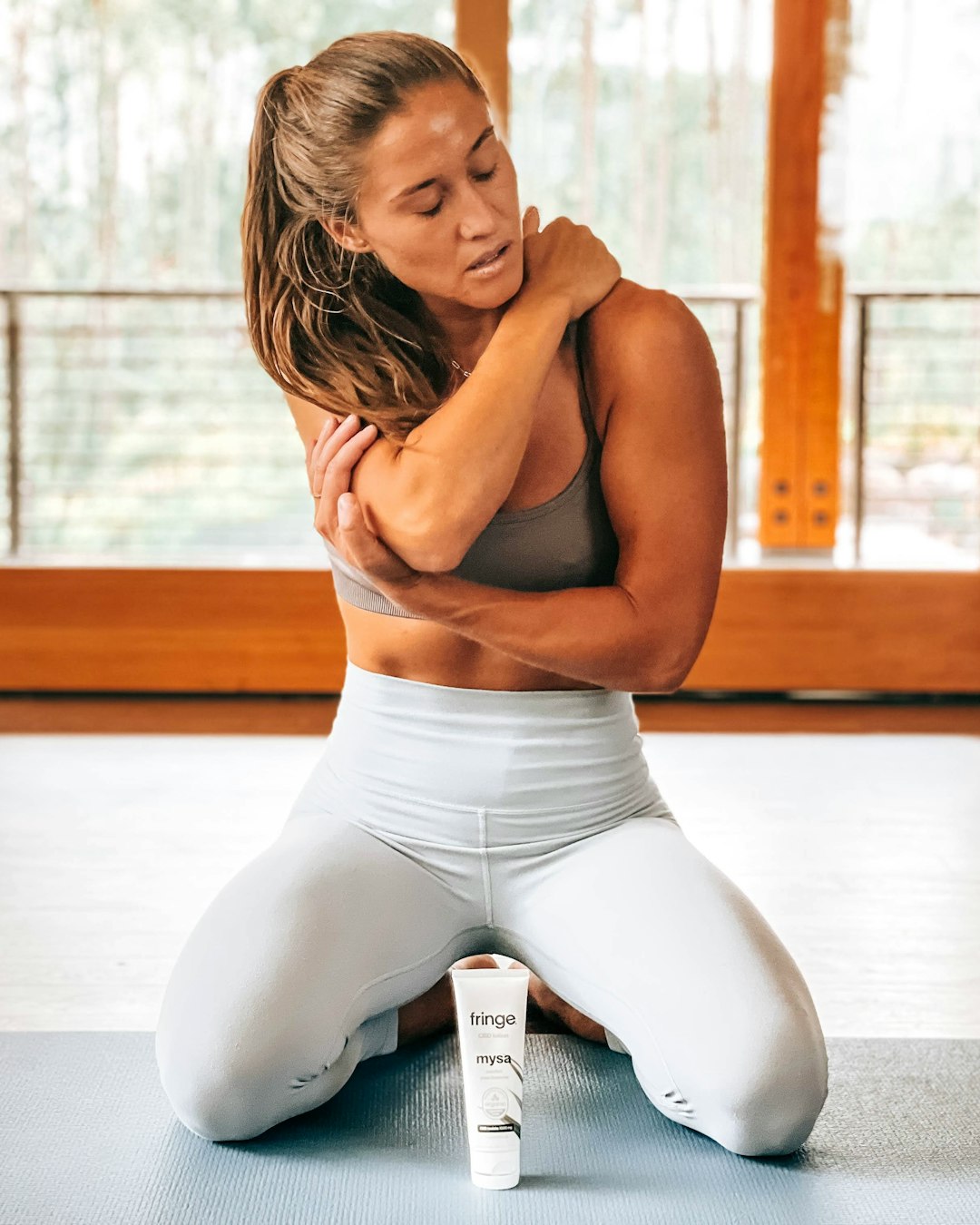
Most of what you feel in your body right now; your strength, your tension, your balance, even your discomfort, is the result of adaptation. Not something random. Not fixed. Just learned. Over time, your system has become very good at doing what you repeatedly ask of it. The way you stand, the way you breathe, how you load your joints, and how you respond to effort or stress are all patterns your body has organized to meet your life as it is.
The good news? Those patterns can change. And adaptation is the process that makes that possible.
At Moving Spirit Pilates studio this month, we’re exploring adaptation through the lens of Pilates and integrated movement. We're diving in to how your body learns, how it protects, and how it can expand into new, more supportive ways of moving and living.
What Does Adaptation Even Mean?

Adaptation is your body’s built‑in ability to change in response to what you ask of it. When you give your system a clear challenge, and enough time and space to recover, it reorganizes and comes back differently. Sometimes it's stronger, more coordinated, and more resilient. Sometimes, if the input is off somehow, the changes can be protective, but also limiting.
Performance coach Brad Stulberg captures the idea of adaptation quite simply in his work. He notes: stress + rest = growth. Too much stress without recovery can lead to injury or burnout. Too little challenge leads to stagnation. Your muscles, connective tissues, nervous system, and even your confidence all adapt along this same continuum.
In Pilates, and in life, you’re never just maintaining. You’re always adapting in some direction. The question we have to continue asking is whether that direction is expanding your options or quietly narrowing them.
How Your Body Actually Adapts
Your body learns through repetition. When you repeat a movement or habit, your nervous system becomes more efficient at it. Over time, it builds preferred pathways; ways of organizing your posture, breath, and movement that feel automatic.
These adaptation can show up as:
- Changes in muscle coordination
- Shifts in mobility and joint stiffness
- Altered alignment and load distribution
- Differences in how safe or threatened your system feels
When pain is part of the equation, the body adapts even more strategically. It redistributes effort, changes movement patterns, and increases or decreases stiffness - all in service of protection. This is intelligent. But if those strategies never get updated, they can become limiting.
Adaptation isn’t inherently good or bad. It’s responsive. Our goal is to help your system adapt in ways that support how you want to move, feel, and live.
Pilates as a Practice of Conscious Adaptation
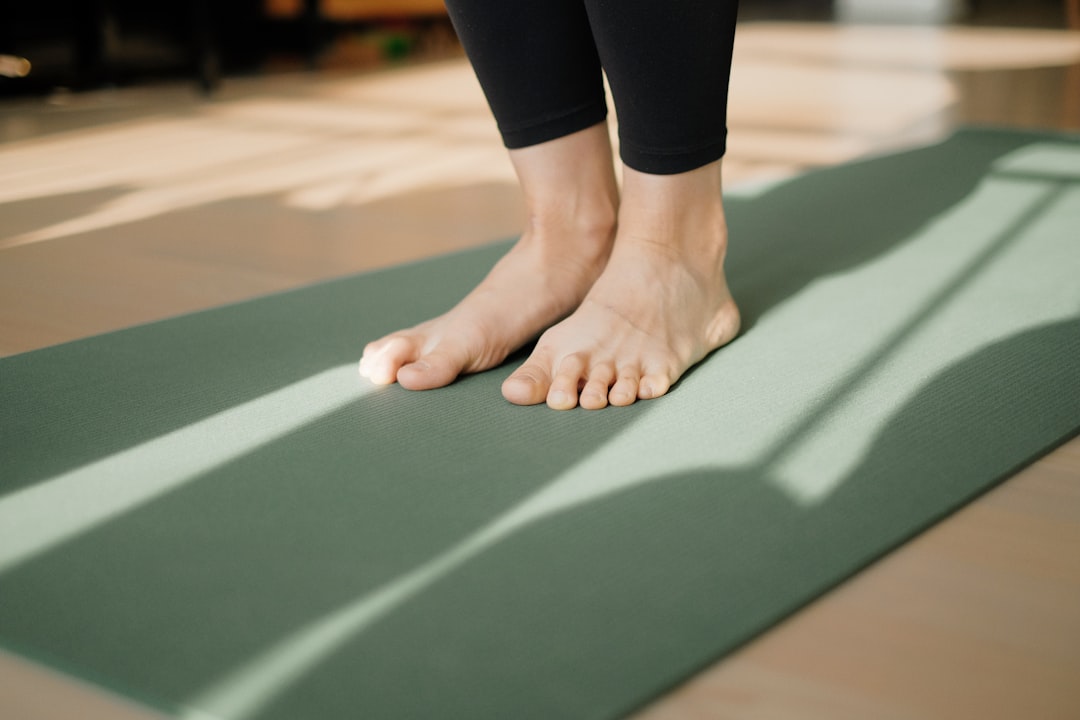
One of the most powerful aspects of Pilates is that it brings adaptation into awareness. Rather than simply strengthening muscles, we pay attention to how movement happens. We refine patterns. We explore options. We create the conditions for more efficient, coordinated, and sustainable movement.
At Moving Spirit Pilates, we approach this work through an integrated approach. Drawing on Physiotherapist Diane Lee’s Integrated Systems Model, and other holistic perspectives, we understand that your body functions as a whole. Your current movement strategies reflect your history: injuries, habits, posture, and experiences. We look beyond isolated parts and ask questions like:
- How are you breathing and managing pressure?
- How do your spine, ribcage, pelvis, feet, and head organize around each other in motion?
- Where are you overworking, and where are you under-supporting?
From there, we use thoughtful, progressive movement to help your system discover new possibilities—and integrate them over time. The most powerful results are felt over time, not in a single moment or class.
The Power of Small Changes
Despite what many social media influencers will tell you, adaptation doesn’t come from dramatic shifts. It’s not about a bootcamp, a single magic exercise, or a fancy protocol. A single "a-ha" can be the spark, and the start of something wonderful - but sustainable results come from consistent and meaningful input.

The ability to feel your feet on the mat. To notice your breath. To distinguish between the sensation of gripping and supporting.To observe when movement feels fluid and coordinated, or effortful and rough.
These subtle experiences are how your nervous system learns. Over time, they lead to tangible changes: improved strength, better load sharing through joints, more fluid movement, and a greater sense of ease in your body.
Resilience is built this way—quietly, progressively, and with attention.
When Pain and Old Habits Are Part of the Story
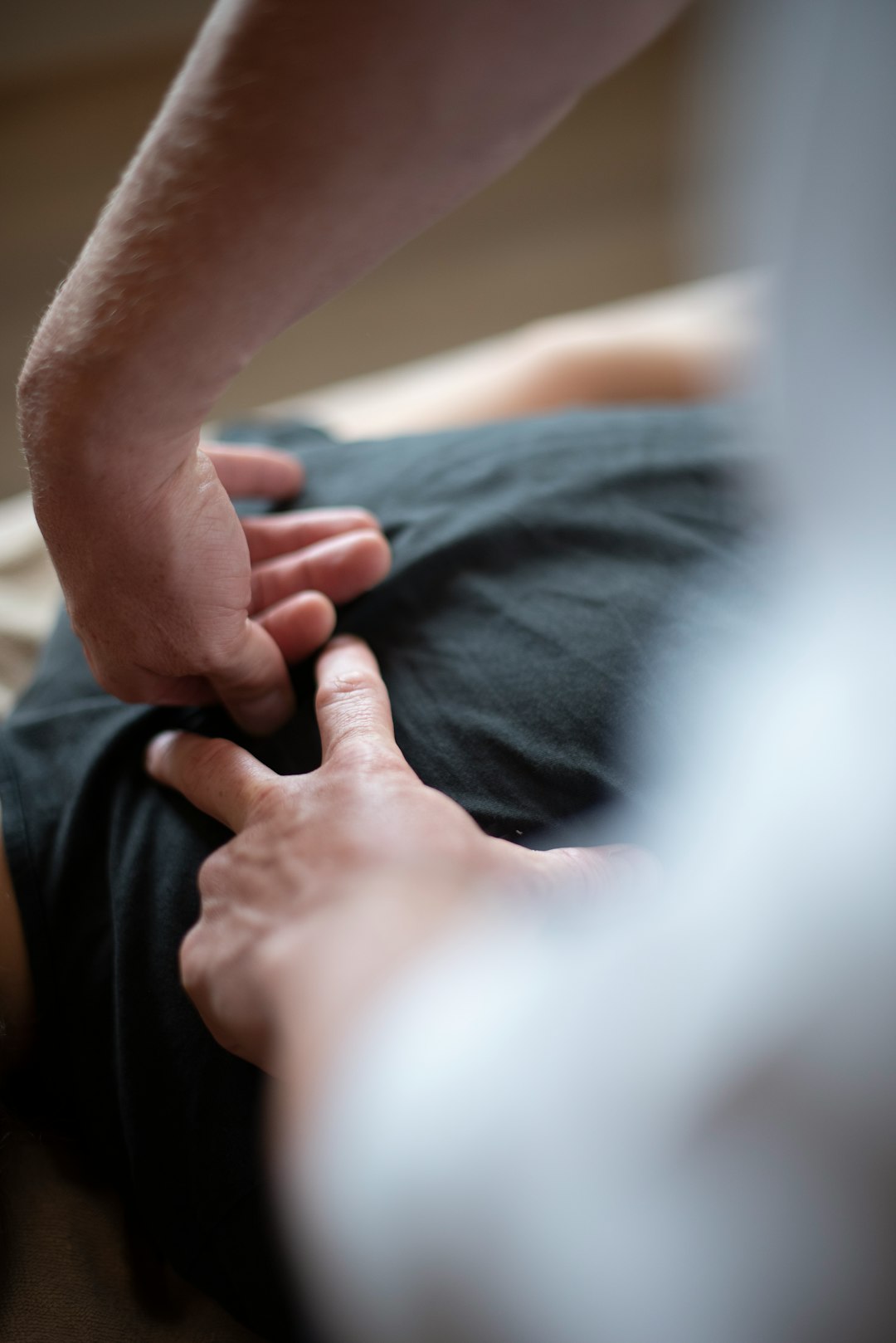
If you’re a high performance athlete, and/or have pain or a history of injury, your body has already adapted; often in very skillful ways. You may shift weight, brace certain areas, or avoid specific movements. These are strategies that have helped you cope. Your body has adapted brilliantly to keep you going. Adaptation is a human super-power! The challenges you feel are not problems to chase hard and eliminate immediately.
More is not always better. Working with your body's innate intelligence, instead of against it, gives your nervous system an opportunity to update what feels safe for you. Over time, protective patterns can soften, and new, more efficient strategies can emerge.
We learn about and respect the patterns your body has developed. We introduce awareness and new options gradually. We build trust through precise, supported movement.
Adaptation becomes a conversation—one based on listening, not forcing.
Beyond the Pilates Studio: Adapting in Real Life
Your body is adapting everywhere! It’s not just an in-the-Pilates-studio experience.
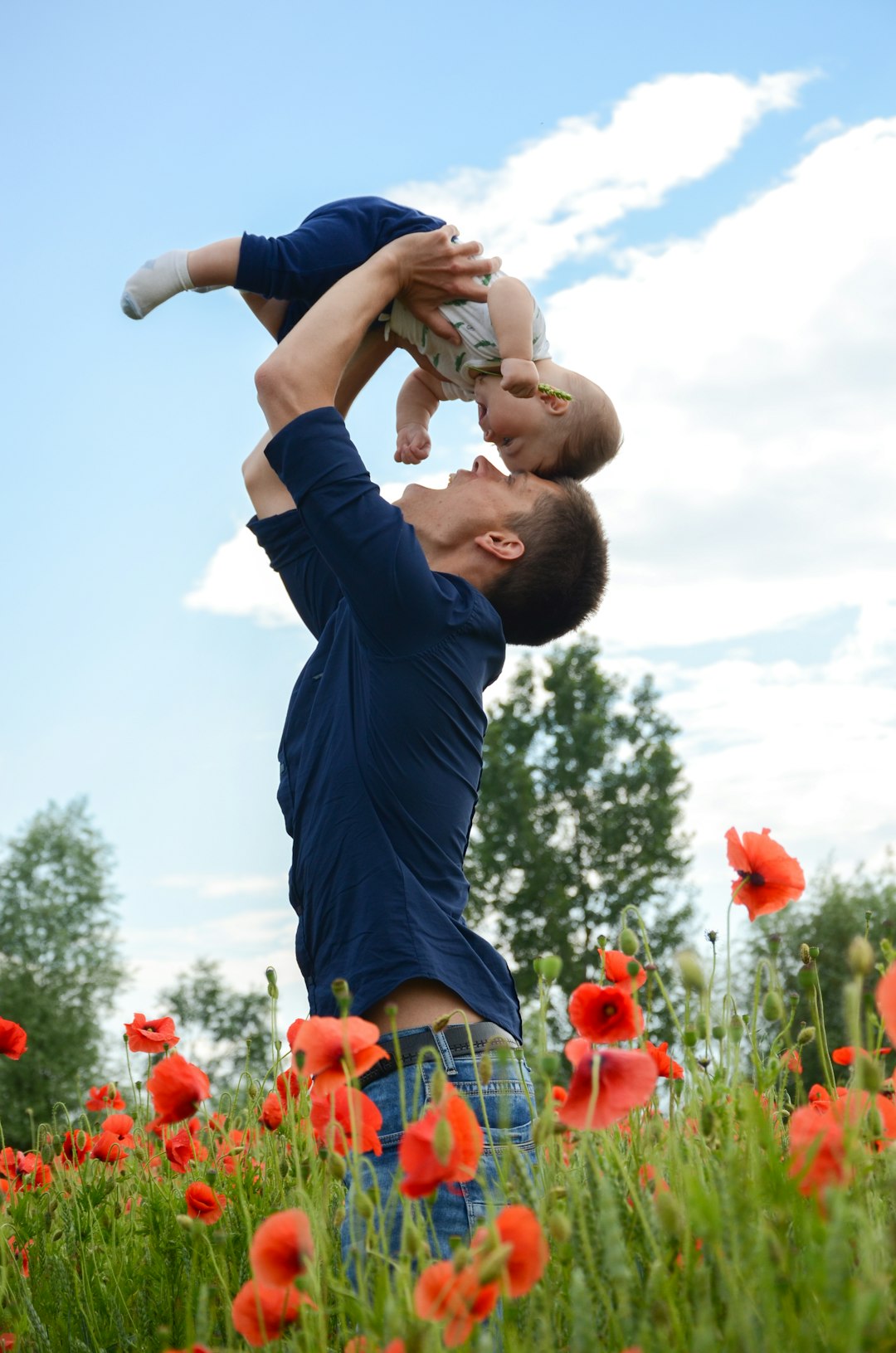
When you hike, run, ski or cycle, your system is constantly adjusting to load, terrain, and demand. When you’re picking up toddlers or playing with the kids after a long day at work, your body is adapting to the differing load demands of your daily activities. Your strength, coordination, and endurance all reflect what you consistently ask of your body.
Out in the world, the same principles apply:
- Too much load without recovery leads to tension, fatigue, and increased sensitivity
- Too little challenge leads to decreased capacity and resilience
- Too much of the same thing doesn’t prepare you for variability of load demand
A consistent Pilates practice supports these activities by improving how your body organizes itself. You move with more efficiency, recover more effectively, and reduce unnecessary strain.
Adaptation of Mind, Body, and Spirit
Adaptation isn’t only physical. Every time you slow down, pay attention, and move with intention, you are also training your nervous system and your awareness. You practice staying present, breathing through challenge, and responding instead of reacting. This is the deeper layer of the work.
Over time, this carries into daily life. You may notice more steadiness under pressure, more clarity in decision-making, or a greater sense of connection to your body. You become more integrated. Less fragmented. More coherent.
And from that place, adaptability becomes not just a physical capacity, but a way of being.
An Invitation to Explore
Your body is already adapting. The question is: in which direction? Are you moving toward more ease, strength, and possibility - or toward more tension and limitation?
At Moving Spirit, our goal is to help you engage with that process intentionally. To offer the right balance of challenge, support, and recovery so your body can evolve in ways that truly serve you.
If you’re part of our small group reformer classes, consider booking a periodic program review private with one of our staff. It’s a chance to refresh your practice, introduce new challenges, and support continued adaptation as your strength and skill evolve. You don’t need to overhaul everything. It's about shifting the right things, at the right time. You just need to show up, stay curious, and give your body something meaningful to respond to.
Adaptation will do the rest.

______________________________________________
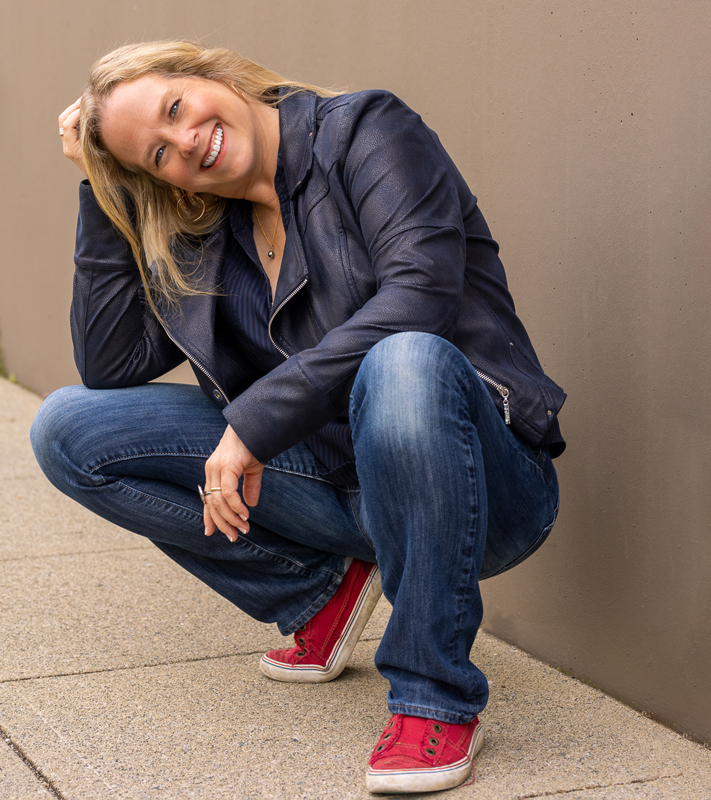
Susannah Steers is a Pilates and Integrated Movement Specialist, and the founder of Moving Spirit Pilates in North Vancouver, BC. She helps people discover strength, freedom, and confidence through better movement. Alongside her studio teaching, Susannah is a sought-after speaker, workshop facilitator, writer, and podcast host — always exploring fresh perspectives on how movement can inspire health, resilience, and meaningful connection.