

Coming Home To Centre
This month, our focus in the studio is to come home to centre; in our movement, in our bodies, and in the rhythm of our days. In Pilates, centering is the practice of moving from your core, from that deep place within that organizes, supports, and powers everything you do.
When you connect to your centre, your movement becomes more coordinated and efficient, and you create stability that allows freedom and strength that allows ease. Whether you are on the mat, hiking a steep trail, or riding gnarly lines on your bike, this inner connection helps your whole body work together with clarity and purpose.
What “centre” really means
In Pilates, “centre” has often been called the “powerhouse” - the deep muscles of your abdomen, lower back, diaphragm, and pelvic floor that form a central cylinder supporting your spine and pelvis. While our understanding of this deep core system continues to evolve, (and I wouldn't necessarily call it the powerhouse anymore), when these muscles engage in a balanced way, they can help you manage forces through your trunk so your limbs can move more freely. precisely. and with power.
Centering is not just about having a strong six-pack; it’s about core control and integration - using just enough effort to create a responsive, adaptable support system for your movement. This awareness of your central axis gives you a sense of internal organization so you can bend, twist, and reach without collapsing or over-gripping.
A simple centering practice on the mat
Try this short practice, either on your mat at home or in the studio, to feel centering in your own body. Move slowly, with curiosity rather than strain.
- Lie on your back with your knees bent, feet hip-width apart, and pelvis in a neutral position (not tucked, not arched).
- Place your hands gently on the low belly and sides of your ribs, and take a few easy breaths, feeling the ribs widen and soften back, without forcing the inhale.
- On an exhale, imagine drawing the space between your hip bones gently toward your centre, as if zipping up a deep inner corset, and feel the pelvic floor lightly lift without clenching. Relax your diaphragm, letting it rise inside the ribcage.
- Keep feeding that subtle support as you float one knee above your hip, then the other, noticing if your pelvis and spine can stay steady and buoyant rather than rigid or gripped.
- Add small toe taps toward the floor, or gentle arm reaches overhead, letting your centre organize the movement instead of your neck or thighs doing all the work.
The goal is to feel quietly powerful from the inside out, with breath that flows and a sense of inner length through your spine. That same inner organization is exactly what you need when the ground under you becomes more demanding.
Let's explore how you might use your center in some of North Vancouver's most popular outdoor activities!
Centering on a Hike
On uneven trails, your core acts as your body’s center of gravity, stabilizing your spine and pelvis so you can stay upright and balanced on rocks, roots, and steep grades. A stable centre helps you maintain posture, conserve energy, and reduce the risk of slips, falls, and lower-back strain on longer hikes or when carrying a pack.
You can turn your next hike into a centering practice:
- As you walk, feel your ribs stacked over your pelvis, with a gentle sense of lift through your spine instead of collapsing into your low back.
- Imagine your centre as a steady column from diaphragm to pelvic floor that responds to each step, absorbing the terrain so your shoulders and jaw can stay relaxed.
- Notice your breath climbing a hill—let your exhale subtly reconnect you to your centre, especially when the trail gets technical or your pack feels heavy.
This is centering as a living, moment-to-moment conversation with the landscape: your inner support responding to every rock, shift, and surprise.
Centering on your Bike
On a bike, especially on our hilly and sometimes technical North Shore routes, a strong, responsive core helps you maintain a neutral spine and efficient riding posture. When your centre is doing its job, power from your legs transfers more cleanly into the pedals, your hands and shoulders don’t have to grip so hard, and you can breathe more fully.
To explore centering on the bike:
- Before you roll out, pause in standing beside your bike and feel that same deep corset-like engagement through your trunk, paired with easy, wide breathing.
- As you ride, imagine your torso as a steady, quiet bridge between your pelvis and shoulders, while your legs spin freely beneath you.
- On climbs or rough sections, let your exhale rekindle your centre, so the effort distributes through your core instead of collecting in your low back, neck, or wrists.
This centered support helps you stay agile and confident, whether you are grinding up a climb, flowing down a descent, or navigating tight turns.
Beyond the Body: Centering in Daily Life
Centering also extends to your mental and emotional world, helping you find inner equilibrium amidst the noise and speed of everyday life. When you practice moving from the inside out, you begin to notice you have more choice in how you respond to stress, change, and uncertainty.
A few centering moments you can weave into your day:
- Take three conscious breaths before a meeting, feeling your feet on the floor and that gentle inner support through your trunk.
- When your schedule feels packed, pause to sense your spine, your ribcage, and the space behind your heart, and ask: “What is my next clear step from centre?”
- At the end of the day, lie down for a few minutes and revisit that simple mat practice, letting your nervous system register safety, support, and calm from the inside.
As you build this habit, centre becomes less something you “find” and more something you return to again and again, like coming home.
An invitation for April
This month at Moving Spirit, we will be exploring what it means to move and live from centre—on the mat, on the reformer, and in the activities you love outdoors. Each mindful breath and thoughtful movement is a chance to return to that quiet strength within you, the one that is always there, waiting to be remembered.
Join us in the studio as we play with centering in different positions, explore how your powerhouse supports your hiking and biking, and notice how that connection can ripple into every part of your life - from how you stand in line for coffee to how you navigate bigger life transitions.
I’d love to know: when you think about “coming back to centre” this spring, what part of your life do you most want that to touch? Leave your thoughts in the comments below!
__________________________________________________________________________________________________________________________
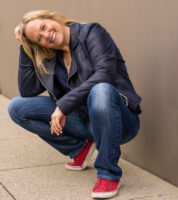
Susannah Steers is a Pilates and Integrated Movement Specialist, and the founder of Moving Spirit Pilates in North Vancouver, BC. She helps people discover strength, freedom, and confidence through better movement. Alongside her studio teaching, Susannah is a sought-after speaker, workshop facilitator, writer, and podcast host — always exploring fresh perspectives on how movement can inspire health, resilience, and meaningful connection.