

Building Resilience: Fitness for the Life You Want to Live
We all have those things that we want to feel more ready for. A competition you want to do well in, another season on the ski trails, or the chance to join friends on a hike without wondering whether you will hold everyone back. You might simply want to move through a full day with enough energy left to enjoy the evening. Whatever comes to mind, that desire deserves a place in how you think about your fitness.

Your fitness activities, including Pilates, should support the things you care about. It would be ideal if you enjoy the practice itself, too: the satisfaction of working hard, the pleasure of discovering a movement, and the companionship of people who are happy to see you. All of that is important. And as we head into a season when routines can become crowded and plans can change, there is value in considering what your practice is helping you feel ready for.
Building resilience through Pilates begins with connecting your practice to the life you want to live, with room to prepare, adapt, and find support along the way.
What would you like your fitness to support?
A single workout offers us a satisfying sense of completion. We show up, put in the effort, and leave knowing we have done something for ourselves. Perhaps we notice that an exercise feels stronger or that we can manage something that challenged us a few weeks ago. Those experiences matter, and they can encourage us to keep going.
There is also a larger story unfolding beyond the session. You may notice that you feel more comfortable getting down to the floor, that you are more willing to try an activity you once avoided, that you are discovering new capacity to meet some of your life's tough challenges. These moments can be easy to overlook because they happen in the middle of living, without anyone counting repetitions or marking progress.
In his description of physical fitness, Joseph Pilates wrote about being “fully capable of naturally, easily, and satisfactorily performing our many and varied daily tasks with spontaneous zest and pleasure.”

I am particularly drawn to “many and varied,” and to that lovely combination of zest and pleasure. There is room here for a life that asks different things of us, and for enjoying our ability to take part. It is a generous way to think about fitness, with space for both the ordinary tasks that fill our days and the experiences we look forward to.
You can bring that perspective into your practice by choosing something you would like to feel more prepared for. Give it a little detail. If you are planning a walking holiday, what do you imagine the days will involve? If you want to return to a favourite activity, what feels familiar and what feels uncertain? Sharing those hopes and questions gives us a meaningful place to begin together.
Leave room for the unexpected
Of course, even thoughtful preparation cannot tell us exactly how a day will unfold. The trail may be steeper than you remember, you may have slept poorly, or a busy week may leave you with less energy than you expected. Sometimes your body surprises you in the other direction, and you discover that you are ready for more.
I find it useful to think about resilience here, in the space between what we prepared for and what actually happens. We can give ourselves opportunities to practise responding, making adjustments, and finding support before we are in a situation that feels especially demanding.

In the Pilates studio, that might mean exploring a movement at a different pace, changing the amount of support you use, or noticing how you respond when an exercise becomes more challenging. With your teacher, you can work out whether to continue, adjust something, or take a pause. There is useful learning in becoming more familiar with those choices.
That learning deserves as much attention as completing the exercise. You are getting to know how you approach effort, what helps you feel capable, and how to find another way when your first approach does not suit you.
Make a plan with some breathing room
When you have something you want to prepare for, it helps to make a plan that can accommodate the life you actually have.

You might begin with the amount of practice you would like to do in an ordinary week, then consider what would be manageable during a crowded one. Perhaps there is room for your usual sessions most weeks, while a shorter practice will help you stay connected when other responsibilities need more attention. Deciding this in advance can spare you the feeling that every change requires starting over.
The same thoughtfulness can accompany an outing or an activity. Before a longer walk, you might consider a shorter route, a place to pause, or whom you would enjoy going with. You can still look forward to the full experience while giving yourself permission to respond to the day as it unfolds.
This kind of planning makes room for honest ambition. You can care deeply about becoming stronger or returning to something you love, and still allow the route to change along the way.
Give yourself something useful to learn
As you practise, try choosing a challenge with a purpose you understand. It may be something you and your teacher have identified together, or a manageable part of the activity you hope to enjoy. Having a purpose gives you more to notice than how tired you become.
Perhaps you are exploring whether you can keep moving comfortably for a little longer, feel more confident with a balance challenge, or find a less effortful way to perform a familiar movement. There is no need to test everything at once. A small, clear intention gives you room to pay attention.
Afterwards, take a moment to consider how it went. Did the effort feel manageable? What helped when you became uncertain? How did you feel later that day, and was there anything you would change next time?
You do not need to record every detail or turn your practice into a report card. A brief conversation with your teacher, or a moment of reflection on your way home, may be enough to help you make your next choice.
Let support be part of the practice

I hope there is room in all of this for kindness toward yourself. Some seasons offer plenty of time and energy for building capacity. Others ask you to attend to work, illness, grief, caregiving, or demands that leave very little to spare. Your fitness practice can take those circumstances into account without becoming another source of pressure.
You are more than welcome to let us know what is happening for you, and to ask for help finding an appropriate way to move through the challenges. The same invitation belongs outside the studio: you can ask a friend to choose a different route, allow more time, or make a plan that works for both of you. Being able to name what you need is worth making room for.
As you think about the months ahead, choose something you would love to enjoy with a little more confidence and ease. Bring it with you to your next session, along with any concerns you have about getting there. We can look at what it asks of you, find a place to begin, and leave room to learn as we go.
My hope is that your practice helps you feel more able to say yes to the things that matter to you, with the confidence to make adjustments and seek support when you need it. There is a great deal of life to enjoy, and preparing for it can be a caring, curious part of how you move.
_____________________________________________________________
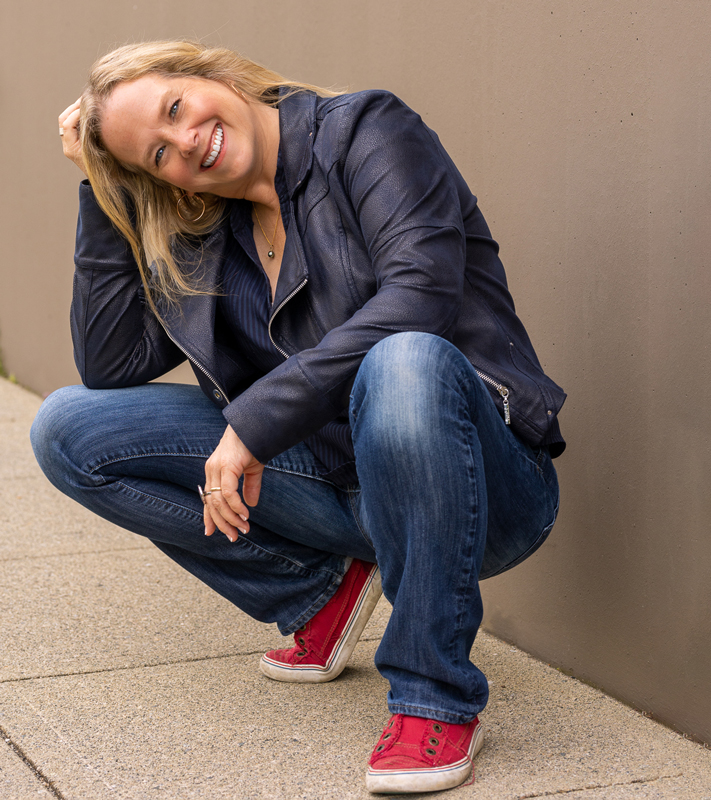
Susannah Steers is a Pilates and Integrated Movement Specialist, and the founder of Moving Spirit Pilates in North Vancouver, BC. She helps people discover strength, freedom, and confidence through better movement. Alongside her studio teaching, Susannah is a sought-after speaker, workshop facilitator, writer, and podcast host — always exploring fresh perspectives on how movement can inspire health, resilience, and meaningful connection. She is an educator, and mentor for early career stage Pilates teachers and studio owners.