

When Pilates Becomes More Than Exercise
Creativity in Pilates, for me, isn’t about clever choreography or inventing ever-more-complex class plans. It’s about how we listen, respond, and make meaning through movement. It’s about people discovering that they can problem-solve with their bodies, and teachers designing environments that invite curiosity instead of compliance. When we treat Pilates as an inherently creative practice, rather than a fixed sequence of exercises to be memorized, both learning and teaching open up in powerful ways.

I meet a lot of people who come to Pilates with a clear goal. They want stronger abs, less pain, better posture, more ease in their running or cycling or everyday life. Some of them are teachers, eager to learn “the repertoire” so they can go out and teach it well. They work hard. They memorize exercises. They learn all the cues. And then somewhere along the way, they hit a wall - everything is “right,” but something just feels flat.
Often, what’s missing isn’t another exercise or a fancier variation. The missing link is usually a kind of creative responsiveness: the ability to sense what’s happening, make a choice, and adapt. It’s the freedom to explore, rather than the pressure to perform. Pilates becomes more than exercise when we start asking, “what’s possible here?” instead of “am I doing this right?”
At Moving Spirit, I’ve spent more than three decades inside Pilates, weaving in integrated systems work, nervous system regulation, and a deep respect for the lived stories inside each person with whom I work. As such, Moving Spirit Pilates Studio is structured a little differently than most: we build individualized programs for each person, and then everyone works their own program in the shared context of a small class. We guide, we cue, we add progressions, and we pay close attention to how each person is organizing themselves, not just whether the exercise looks correct. That environment, intentionally (or not), becomes a laboratory for motor creativity (quite literally creative problem-solving through movement).
Today, I want to explore creativity from both sides: what it means for someone learning the Pilates Method, and what it asks of us as teachers. And I want to place that conversation firmly inside the lived, breathing practice of Moving Spirit.
What Do We Mean by “Creativity” in Movement?
When we talk about creativity, many people think of art, music, writing; activities where you make something new that didn’t exist before. In movement education, there’s a growing conversation about “motor creativity”: the ability to produce functional, task-specific solutions that are original, flexible, and meaningful. Creativity isn’t just making up something random; it’s experimenting with different ways of moving so we can meet the demands of a situation with more resourcefulness.
Researchers in physical education and creative movement describe creative body movement as structured exploration. Learners are given tasks, images, or constraints, and invited to play: to vary rhythm, direction, level, effort; to express ideas or feelings through the body; to discover how a small change in foundation alters the whole experience. (Those of you who attended my collaborative workshop with Wendy in June experienced just how far this could go!) In my opinion, good teachers don’t just let people do whatever they feel like in the moment. They design experiences that widen the range of options and deepen awareness.
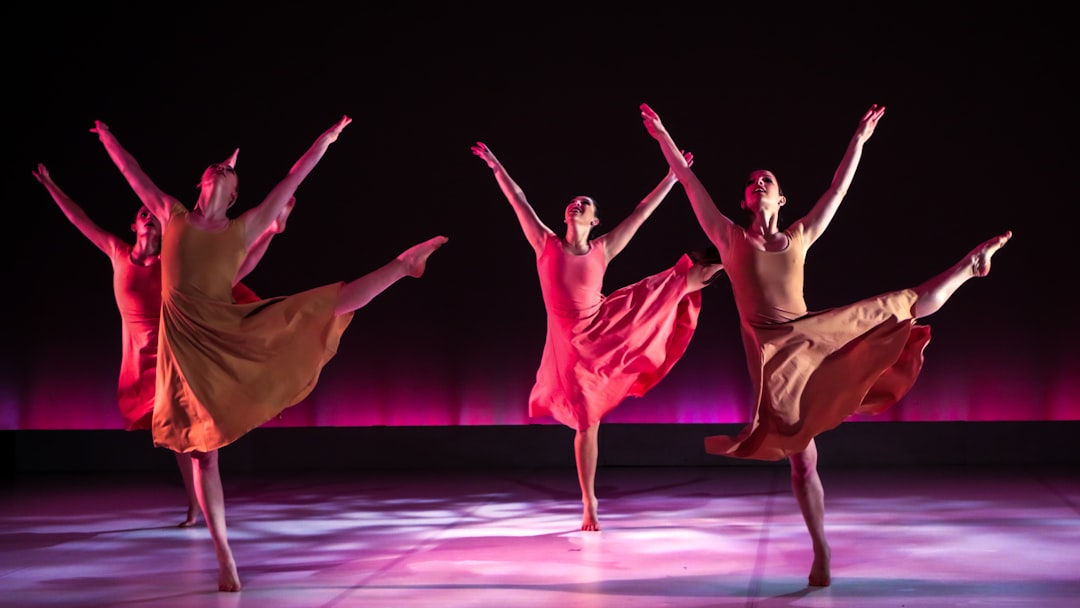
Dance education has been looking at creativity for some time too, and what I appreciate from that world is the recognition that creativity is not purely cognitive, nor purely individual. It’s embodied and socially constructed. A creative dance class isn’t just about the solo genius in the middle of the room; it’s about how people respond to each other, how group tasks open up new ways of moving, and how the environment supports or shuts down experimentation. (This is why i LOOOOVE our small group class format!)
When I look at all of that through a Pilates lens, I see creativity as the line that connects the repertoire to the person in front of me. The exercises give us a structure. Creativity is what allows us to make that structure fit a living body, with a history, a nervous system, and a set of hopes and worries. Without creativity, Pilates risks becoming a rigid system. With a dash of creativity, it becomes a responsive, relational and personal practice.
Learning the Pilates Method - Get Creative!
Most people don’t start their Pilates journey thinking, “I’d like to become more creatively resourceful in my movement.” They start with, “My back hurts,” or “I feel stiff,” or “I’ve heard Pilates is good for my core.” So we begin in very practical places: feet on the floor, pelvis on the mat, breath moving through the trunk, spine reaching, arms and legs connecting. We introduce apparatus and springs, we talk about load and support, we revisit foundational patterns.
But if all we ever do is teach someone to “get the exercise right,” we miss a massive opportunity. The foundations at Moving Spirit aren’t just “beginner work.” They’re the underlying relationships that organize your entire body and your whole way of moving through the world. Those relationships are places to ask questions, not just tick boxes.
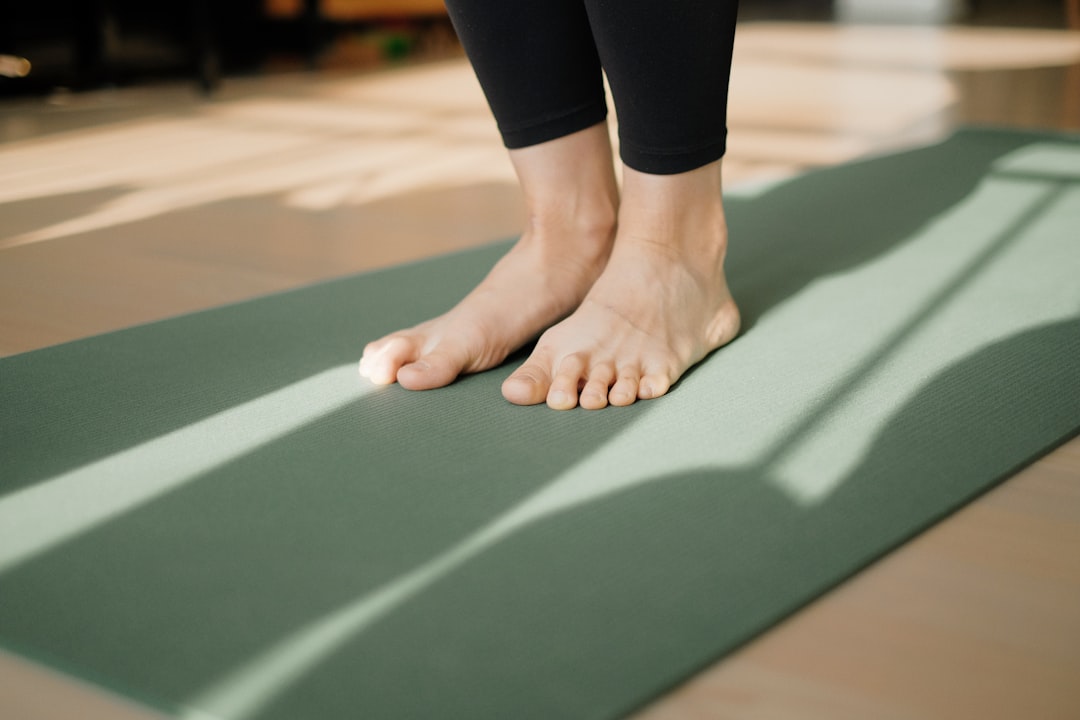
What happens if I shift my eye line in my armwork? How does my sense of support change if I start the movement from my feet instead of my spine? What does my breath want to do when the springs get lighter or heavier? These inquiries turn routine exercises into experiments. The learner becomes a co-investigator, not just a recipient of instruction. If you’ve experienced a class with us, you’ll know that each of our teachers has a deep understanding of the Pilates Method, AND a host of other movement skills at their fingertips. How each one brings the creative magic of their own backgrounds into the class is something that brings the body - and Pilates - alive for different people in different ways.
Creativity in learning, then, is the willingness to treat each repetition as a chance to notice something new. It’s the curiosity to play with variables like foundation, orientation, rhythm, breath, to see how each system responds. Rote repetition can build skill. Embodied inquiry builds self-awareness and choice, and an experiential knowledge that can inform other movement in a person’s life.
Motor Creativity as Everyday Problem-Solving
Motor creativity research suggests that when people are exposed to enriched, varied movement experiences, their ability to generate original, task-appropriate solutions improves, even when controlled for baseline motor skill. In other words: if you’ve practiced exploring, you’re more prepared to handle surprises.
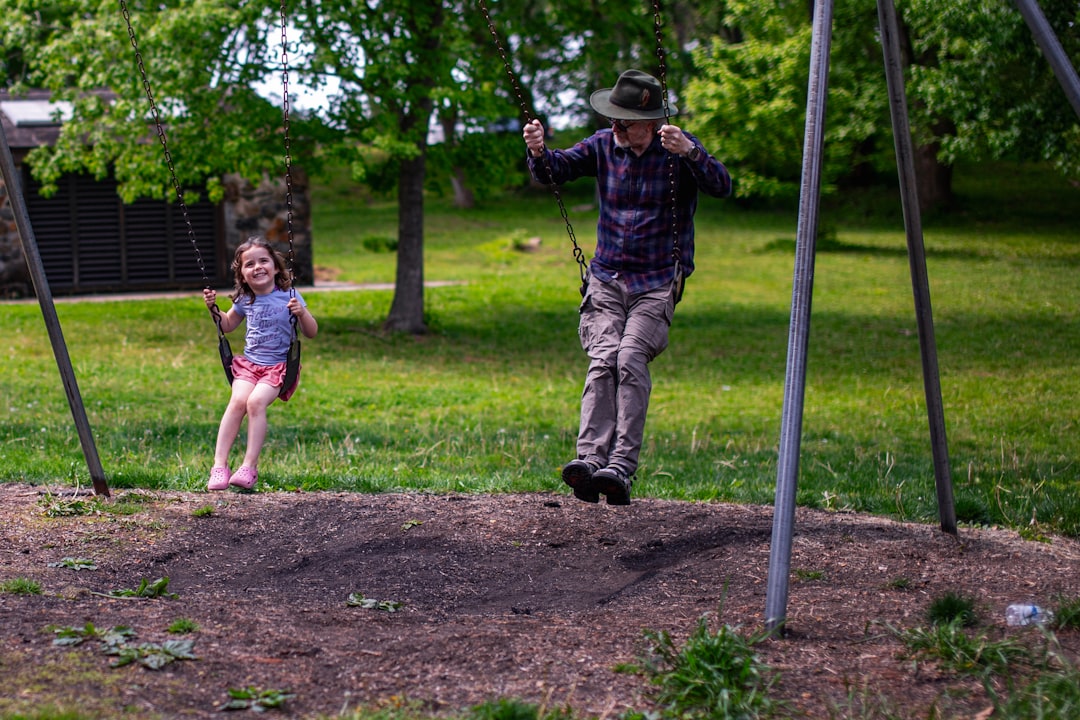
Life is full of movement surprises: the uneven curb you didn’t see coming, the demanding day standing at a counter, the spontaneous hike with steep terrain, the grandchild who suddenly jumps into your arms. If your body only knows one way to “do the thing,” you’re vulnerable. If your body has practiced multiple pathways, using different ways to recruit support, different rhythms of effort and release, you’re more adaptable and resilient.
At Moving Spirit, a lot of our work is exactly this: helping people reorganize patterning so they have more options. We might be working with the classic Footwork on the Reformer, but the creative task is, “Can you find a way to load your legs that doesn’t make your knee cranky?” Or, “How does your breath help you here?” The exercise becomes a canvas for experimentation.
One of my favourite moments as a teacher is when a client discovers their own solution. Maybe they realize that a smaller range feels more powerful. Or a subtle change in pelvic orientation takes pressure off their neck. Or shifting attention to their feet suddenly unlocks their hip mobility. That’s motor creativity in real time: the body solving problems in context, not just following orders.
Emotional Safety and Self‑Trust as Conditions for Creativity
Here’s the thing: people don’t take creative risks when they feel unsafe, judged, or confused. Research on creative movement in education underscores the importance of a supportive environment—one that allows trial and error, values exploration over “right answers,” and recognizes emotion as part of learning.
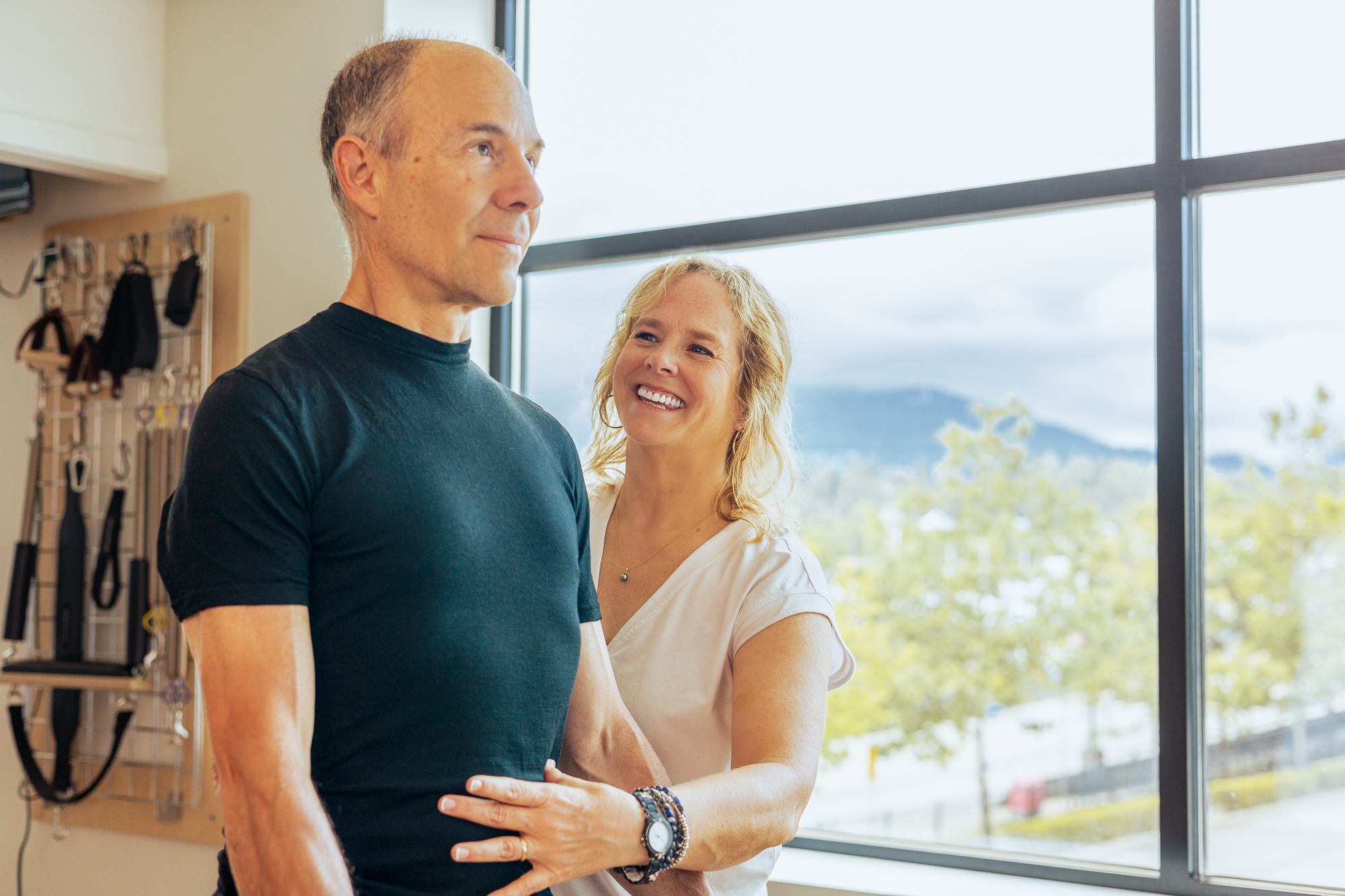
In our studio, the client-centered, small-group model matters for that reason. A reformer/apparatus class at Moving Spirit is usually four people, each working through their own program while we guide and adjust. Everyone is doing something slightly different. There’s no competition, no race to stay in sync. That alone changes the social pressure in the room.
We also talk openly about nervous system regulation and self-trust. Movement isn’t just a mechanical process; it’s an embodied conversation with your past, your present, and your imagined future. When someone feels they’re allowed to pause, to ask, “Could we try that another way?”, or to say, “I’m noticing my anxiety shoot up,” then creativity has somewhere to land. They can experiment. They can be honest. They can discover what support really feels like for them.
In that sense, creative learning in Pilates is as much emotional as physical. It’s the courage to notice; the permission to deviate; the growing trust that your body isn’t your enemy—it’s your collaborator.
The Creative Role of the Pilates Teacher
Teaching for creativity vs. teaching for compliance
If learners are to engage creatively, teachers have to teach creatively. This doesn’t mean abandoning the method or improvising wildly every class. It means understanding that our job is not just to transmit exercises, but to design experiences that cultivate agency.
Dance education research describes expert teachers who move beyond a narrow, individualistic view of creativity and into a more communal, relational approach. They use tasks, imagery, and open-ended prompts that invite multiple responses. They value process over product. They’re attentive to the emotional tone of the room.
Pilates teachers feel similar tensions. There’s a desire to honour the classical repertoire and the lineage, and we should. At the same time, if we simply insist on one “correct” version of an exercise, we risk sidelining the lived realities of the bodies in front of us. Moving Spirit’s signature integrated and multidisciplinary approach has evolved out of this tension. Sometimes, yes, it’s exercises in the classical form. A lot of the time, it’s about “how to deal with that specific body in the situation” and bring out the best patterning.
For me, teaching for creativity means holding the method with respect, while also holding the person. We know why the exercises exist, and what they’re designed to support. We also know that bodies arrive with different histories, injuries, strengths, and patterns. Our responsibility is to bridge the two.
Designing tasks that invite motor creativity
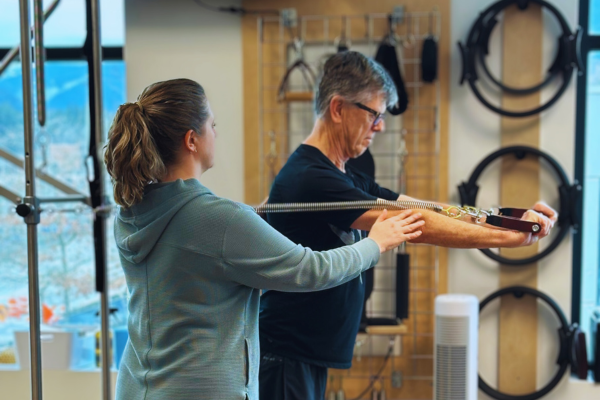
One of the most useful ideas from motor creativity research is that enriched environments, where constraints are thoughtfully manipulated, enhance creative capacity. In practice, that means teachers can play with spring tension, orientation, rhythm, load, and support not just for novelty, but to widen the learner’s movement vocabulary.
Imagine you’re teaching Long Stretch on the Reformer. A student is gripping through their shoulders, and you can see the strain. You could keep cueing “relax your shoulders” and watch them try, and try, and try. Nothing changes. Why not turn this into a creative task instead?
- “Let’s lighten the springs and see what happens when the carriage feels more responsive.”
- “What if you imagine the movement starting from your feet, pushing the floor away?”
- “Could your hands be ‘listening’ to the carriage instead of bracing against it?”
Now you’re not just telling them what to do. You’re offering a series of experiments. They get to feel the difference between heavy and light springs, between foot-led and shoulder-led movement, between braced and responsive hands. They’re discovering options.
I often think of the apparatus as a collaborator in this process. Springs can load in particular ways or offer assistance. Changing tension, tempo, position, transitions; these are simple tools that, used with intention, make creativity possible without chaos. The goal isn’t to do something new just for the sake of doing something new. It’s purposeful variation that serves the person and honours the work.
Reflective Practice and Teacher Growth
Teaching creatively asks something of us as teachers too. We need space to reflect: Where am I defaulting to compliance cues? Where am I inviting inquiry? When do I feel pushed to “perform creativity” because of outside pressures, rather than being rooted in clear intention?
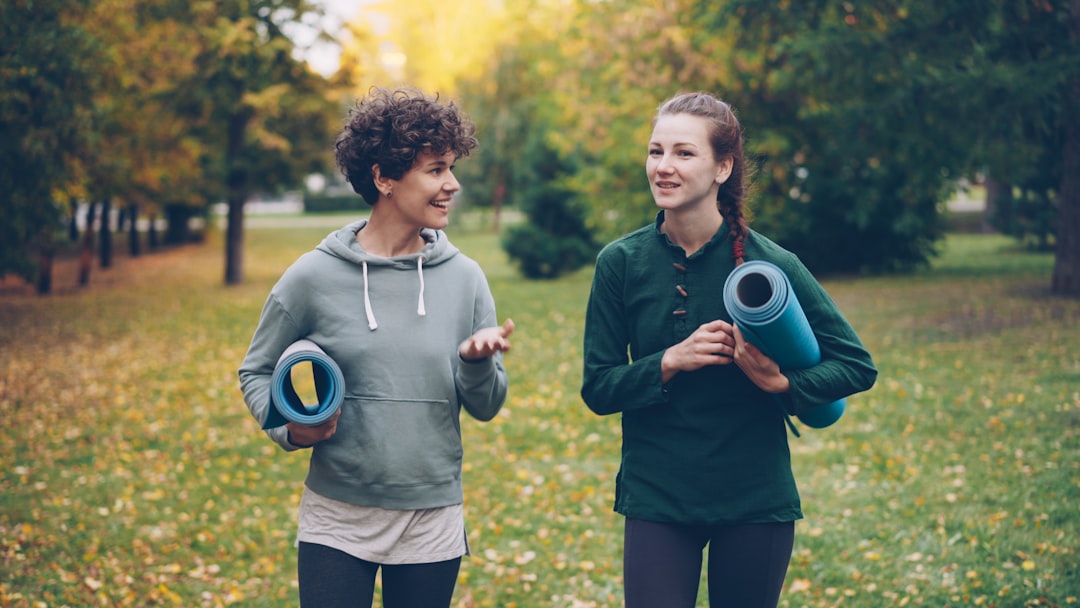
I find that early-career teachers often grapple with these questions. They want to be engaging, they want to honour the lineage, they don’t want to confuse people, and they’re watching a thousand creative class snippets scroll by on Instagram. It’s a lot.
I often encourage them to start with repertoire fidelity and practice it until it lives in their bones. Then, gradually, sprinkle in experiments: change orientation, shift the starting point of an exercise, ask different questions. Let creativity grow out of a deep understanding of the work, not as a way to escape it.
Reflective practice makes this possible. When we take time to notice what we did, how it landed, and what we might try next, we’re modelling the same creative process we want our students to embrace.
Invitations for Learners and Teachers
Creativity becomes real when it shows up in small, everyday choices. So I’d like to leave you with some questions.
If you’re a learner, mover, or client:
- In your next session, notice: What feels familiar in this exercise, and what feels like unexplored territory?
- Play with one variable: your foundation, your breath, your springs, and ask yourself, "How does this change my experience?"
- Think about a recent cue you received. Consider, "Where am I being invited to move with more presence?"
You don’t have to reinvent your practice. Just let curiosity in.
If you’re a teacher, especially early in your journey:
- Look at one cue you give all the time, and ask: “How could I turn this into a creative task instead of a correction?”
- Ask yourself: "Where can I widen the spectrum of ways someone can “do” this exercise without losing the integrity of the method?"
- Reflect on the emotional tone of your classes: *Does my environment invite experimentation, or does it quietly insist on compliance?*

Creativity in Pilates doesn’t need to be flashy or chaotic. It can be grounded, clear, and deeply supportive. When learners and teachers both treat movement as a creative conversation, the method becomes what I believe it was always meant to be: a way of building not just stronger bodies, but more adaptable, connected, and resilient lives.
If this stirs something in you - questions, resistance, excitement - let us know! If you're a teacher and you'd like to find more conversations like this one, join the conversation over at my new Substack, “Dialogues on Movement.” Let’s keep exploring how creativity lives in our teaching and our practice, and what becomes possible when we trust ourselves enough to experiment.
____________________________________________________________________________________________________
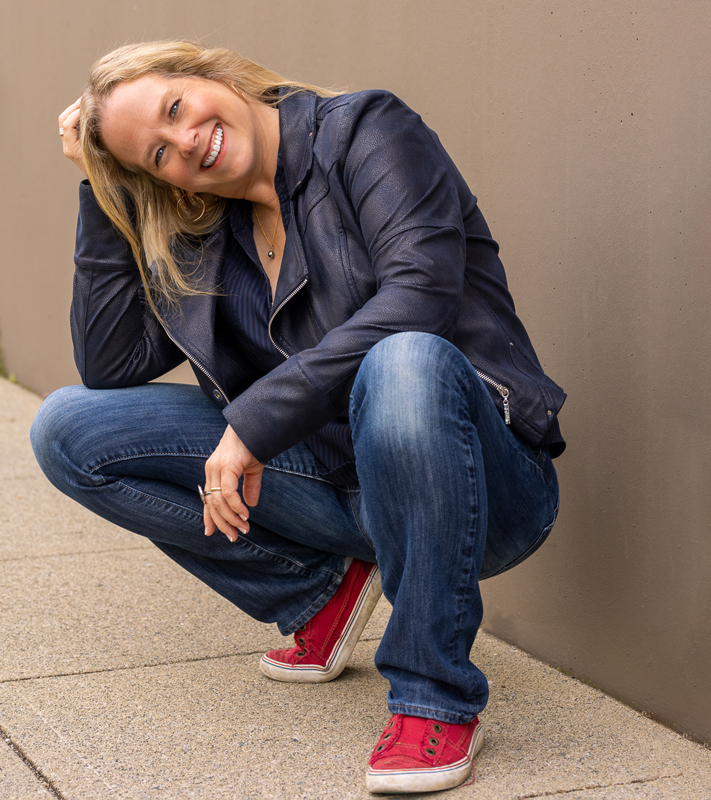
Susannah Steers is a Pilates and Integrated Movement Specialist, and the founder of Moving Spirit Pilates in North Vancouver, BC. She helps people discover strength, freedom, and confidence through better movement. Alongside her studio teaching, Susannah is a sought-after speaker, workshop facilitator, writer, and podcast host — always exploring fresh perspectives on how movement can inspire health, resilience, and meaningful connection. She is an educator and mentor for early career stage Pilates teachers and studio owners.